
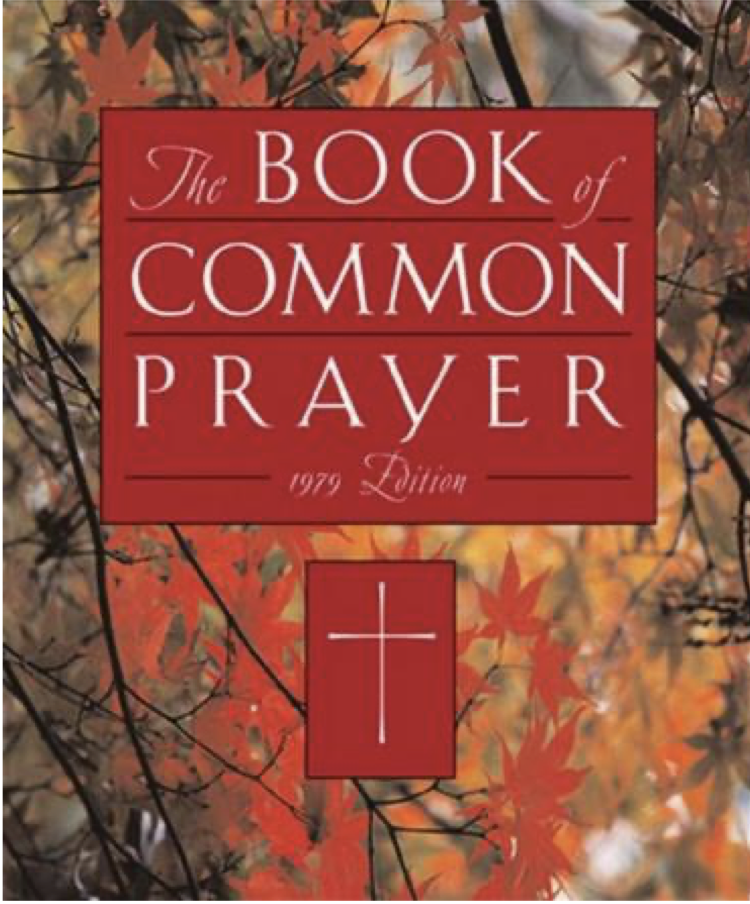
Discovering Creation Care in the 1979 BCP
Written by: The Rev. Brian L. Rebholtz | Rector, St. Luke’s Episcopal Church, Auburn
Recently, parishioners at St. Luke’s, Auburn engaged in a theological conversation about the ways in which our prayerbook calls us to care for God’s creation. While many members of St. Luke’s cherish the 1979 Book of Common Prayer for its beautiful and inspiring Eucharistic prayers and pastoral offices, most were unaware of the diverse ways in which the BCP highlights our call to celebrate and protect the natural world. In this brief article, I would like to share a few of these themes in the hope that more Episcopalians will recognize the abundant and beautiful resources for creation care within our own prayerbook tradition. There are, of course, many excellent supplemental materials on creation care authorized by the Episcopal Church, but for many of the people in our pews it can be helpful to highlight how the BCP they already know and love calls them to a deeper reverence for the earth.
God, the Creator
One of the most prominent themes in the 1979 BCP is the recognition of God as the creator of all that exists. This understanding is reflected in traditional liturgical material, such as the Venite in Morning Prayer, which declares, “In his hand are the caverns of the earth, and the heights of the hills are his also. The sea is his, for he made it, and his hands have molded the dry land.” (BCP, p.82) and it also affirmed in more contemporary prayers, such as the opening of Eucharistic Prayer C, in which we pray, “At your command all things came to be: the vast expanse of interstellar space, galaxies, suns, the planets in their courses, and this fragile earth, our island home.” (BCP, p. 370)
Because God is the creator, the Scriptures affirm that the whole natural world is in relationship to Him and looks to Him as its source and sustainer. This view is reflected throughout the BCP, which includes a number of canticles, psalms and other prayers which speak of the earth and her creatures as praising and worshipping God. The Canticle of the Three Young Men, for instance, (also known as the Benedicite) reads, in part, “Let the earth glorify the Lord, praise him and highly exalt him for ever. Glorify the Lord, O mountains and hills, and all that grows upon the earth, praise him and highly exalt him for ever.” (BCP, p. 89) Similarly, the full version of the Easter Exultet invites the cantor to chant, “Therefore O Holy Father, accept the evening sacrifice of this lighted candle, which your Holy Church makes before you, and offers to you by the hands of your servants, the work of the bees your creatures.” (This line about the bees is restored in the Nashotah House version of the Exultet). In each of these prayers, the congregation is reminded not only that God is the creator, but also that all of creation participates in the life of God and is a reflection of His divine glory.
Humanity and Creation
The 1979 BCP also strongly emphasizes the Biblical teaching that human beings are appointed as the stewards and rulers of God’s creation. In Christian thought, this rule or dominion is to be a just rule, meaning that we are responsible to God for taking care of the natural world and using its resources wisely. A wonderful instance of this teaching is the collect For the Conservation of Natural Resources, which reads: “Almighty God, in giving us dominion over things on earth, you made us fellow workers in your creation: Give us wisdom and reverence so to use the resources of nature, that no one may suffer from our abuse of them, and that generations yet to come may continue to praise you for your bounty: through Jesus Christ our Lord.” (BCP, p. 827). In the same way, the collects for Knowledge of God’s Creation, For the Harvest of Land and Waters, and For the Future of the Human Race all contain rich theological reflections on the relationship between humanity and creation, acknowledging the congregation’s role as stewards of the earth and petitioning God for help in using natural resources wisely.
Collects, of course, are not the only place where the relationship between humanity and creation is emphasized. The BCP also includes litanies and special liturgical materials that address this theme. For example, the Litany of
Penitence used on Ash Wednesday includes a petition which asks for forgiveness for “our waste and pollution of your creation, and our lack of concern for those who come after us.” (BCP, p. 268). Additionally, various feast days and celebrations throughout the year, such as the Blessing of the Animals and Rogation Sunday, invite us to appreciate the diversity of God’s creation and acknowledge our role as stewards. Each of these occasions reminds us of the interconnectedness of humanity and creation, encouraging a deeper sense of respect and reverence for all living things. As the former Archbishop of Canterbury, Rowan Williams, recently affirmed in an interview with the poet Paul Kingsnorth, “Christianity properly understood tells you that there is no such thing as ‘dead matter’. Creation around you, within you, the creation that you are, the creation that you are a part of, is all God-acting, God-loving, God-inviting, here and now.”
The Baptismal Covenant and Creation
The centerpiece of the 1979 Book of Common Prayer is the liturgy for Holy Baptism, which includes a series of solemn commitments to be made by every person at their baptism. Although the vows of this baptismal covenant are rightly focused on holding and preserving the catholic and apostolic faith of the Church, the liturgy does contain a vow that connects the catechumen to creation. After rejecting Satan and all the spiritual forces of wickedness that rebel against God, the catechumen is asked, “Do you renounce the evil powers of this world which corrupt and destroy the creatures of God?” This vow is a clear call to action, reminding us that caring for all of creation is an integral part of discipleship and prompting the catechumen to examine his or her daily choices and to seek ways to reduce harm and create harmony and flourishing for all living things. This vow is also a simple but powerful reminder that to know Jesus Christ is to know that God is “the fountain of life and source of all goodness,” who “made all things and filled them with [His] blessing….” (BCP, p. 373). Given that every person in our congregation has made (or is preparing to make) this vow as they seek to follow Jesus Christ in the Episcopal Church, it is a wonderful place to begin a conversation about revering and stewarding God’s creation.
Conclusion
The 1979 Book of Common Prayer is replete with prayers, blessings and other liturgical materials that can and should shape our understanding of Christian concern for the natural world. The BCP emphasizes the role of God as creator, our responsibility as stewards of creation, and the ways in which mature Christian commitment connects to concern and care not just for human life, but for all living things. Although there are many supplemental and alternative resources outside the BCP, our experience at St. Luke’s is that it is not necessary to use them in order to introduce this topic. Reverence for creation in a fundamental prayerbook teaching, and by regularly pointing to creation themes in our prayerbook liturgies, we can encourage all Episcopalians to begin living out their faith in a way that honors God’s gift of the earth and contributes to the flourishing of all life.

